Featured
Table of Contents
Cognitive Set Of Three of Distressing Stress. An integral part of experiencing trauma is feeling various from others, whether the injury was a specific or group experience. Traumatic experiences commonly really feel surreal and test the need and worth of mundane activities of life. Survivors typically believe that others will certainly not completely understand their experiences, and they might think that sharing their sensations, thoughts, and responses related to the injury will drop short of expectations.
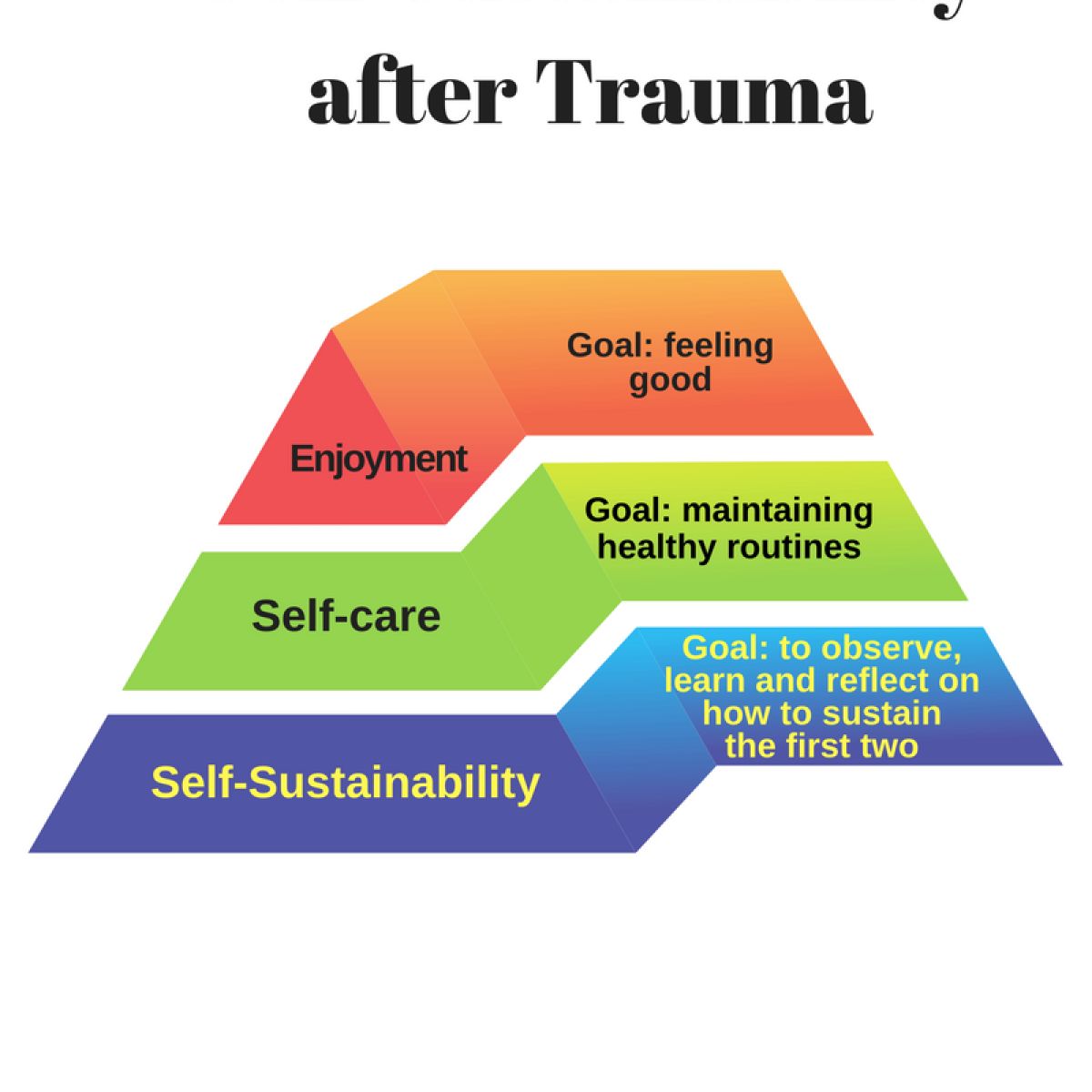
The sort of injury can dictate just how an individual really feels various or thinks that they are various from others. Traumas that produce pity will certainly typically lead survivors to feel more estranged from othersbelieving that they are "damaged goods." When people believe that their experiences are one-of-a-kind and incomprehensible, they are more probable to seek support, if they look for assistance whatsoever, only with others who have actually experienced a similar trauma.
Triggers are often related to the moment of day, season, holiday, or wedding anniversary of the occasion. A flashback is reexperiencing a previous traumatic experience as if it were really taking place because moment. It consists of responses that usually look like the client's responses during the trauma. Flashback experiences are very brief and typically last only a couple of seconds, however the emotional side effects remain for hours or longer.
Combining EMDR alongside Other Therapeutic Modalities
Other times, certain physical states raise a person's vulnerability to reexperiencing an injury, (e.g., tiredness, high stress and anxiety levels). Flashbacks can really feel like a quick flick scene that intrudes on the client.
If a client is set off in a session or throughout some facet of treatment, assist the customer concentrate on what is taking place in the here and now; that is, use grounding methods. Behavior health solution suppliers ought to be prepared to aid the customer get regrounded to ensure that they can differentiate in between what is occurring currently versus what had occurred in the past (see Covington, 2008, and Najavits, 2002b, 2007b, for even more grounding techniques).
Later, some customers require to review the experience and understand why the recall or trigger took place. It commonly aids for the customer to draw a connection in between the trigger and the distressing occasion(s). This can be a preventative strategy whereby the customer can expect that a provided circumstance puts him or her at higher danger for retraumatization and needs use dealing approaches, including seeking assistance.
The Connection Between EMDR Therapy and Neuroplasticity through Trauma therapy
Dissociation is a psychological process that cuts links among a person's thoughts, memories, feelings, activities, and/or feeling of identity. The majority of us have actually experienced dissociationlosing the capacity to recall or track a certain action (e.g., arriving at job yet not remembering the last mins of the drive). Dissociation happens since the individual is participated in an automated activity and is not taking note of his or her prompt atmosphere.
This is an usual signs and symptom in distressing tension responses. Dissociation assists distance the experience from the person. People who have experienced serious or developing trauma may have learned to divide themselves from distress to survive. Sometimes, dissociation can be extremely prevalent and symptomatic of a mental illness, such as split personality disorder (DID; previously known as several personality condition).
As an example, in non-Western societies, a feeling of alternating beings within oneself may be taken being occupied by spirits or ancestors (Kirmayer, 1996). Other experiences associated with dissociation include depersonalizationpsychologically "leaving one's body," as if enjoying oneself from a distance as a viewer or with derealization, leading to a sense that what is taking area is unknown or is not actual.
Memory Processing during EMDR Treatment with Observed and Experiential Integration therapy

One significant lasting repercussion of dissociation is the problem it causes in connecting solid emotional or physical reactions with an event. Typically, people may think that they are going nuts since they are not in touch with the nature of their responses. By educating customers on the resistant high qualities of dissociation while likewise emphasizing that it stops them from dealing with or confirming the injury, people can start to understand the function of dissociation.
Terrible anxiety reactions vary commonly; commonly, individuals participate in behaviors to take care of the aftereffects, the strength of feelings, or the upsetting elements of the distressing experience. Some individuals reduce stress or anxiety through avoidant, self-medicating (e.g., alcohol misuse), uncontrollable (e.g., overindulging), impulsive (e.g., high-risk behaviors), and/or self-injurious actions. Others may try to obtain control over their experiences by being aggressive or subconsciously reenacting facets of the trauma.
Typically, self-harm is an attempt to deal with psychological or physical distress that seems frustrating or to handle a profound feeling of dissociation or being caught, helpless, and "harmed" (Herman, 1997; Santa Mina & Gallop, 1998). Self-harm is connected with past childhood years sexual misuse and various other types of injury in addition to chemical abuse.
Reimbursement for Fees Considerations for EMDR Treatment
Marco, a 30-year-old man, sought therapy at a regional mental wellness facility after a 2-year spell of anxiety signs and symptoms. He was an active participant of his church for 12 years, yet although he sought assistance from his pastor regarding a year earlier, he reports that he has actually had no contact with his pastor or his church since that time.
He describes her as his soul-mate and has had a challenging time understanding her activities or how he could have prevented them. In the preliminary intake, he mentioned that he was the very first person to find his other half after the suicide and reported sensations of betrayal, pain, temper, and destruction because her death.

Latest Posts
Understanding the Physical Connection in Image Transformation therapy
Online EMDR Sessions
How Professional Mental Health Care Is Essential For Real Healing