Featured
Table of Contents
The size of treatment is fairly variable, and the final decision concerning the length of therapy relaxes jointly with the patient and therapist. Some patients stay for as short a time as 2 or three sessions, while others are in therapy for 2 or 3 years or even more as they continue to go after objectives and method skills.
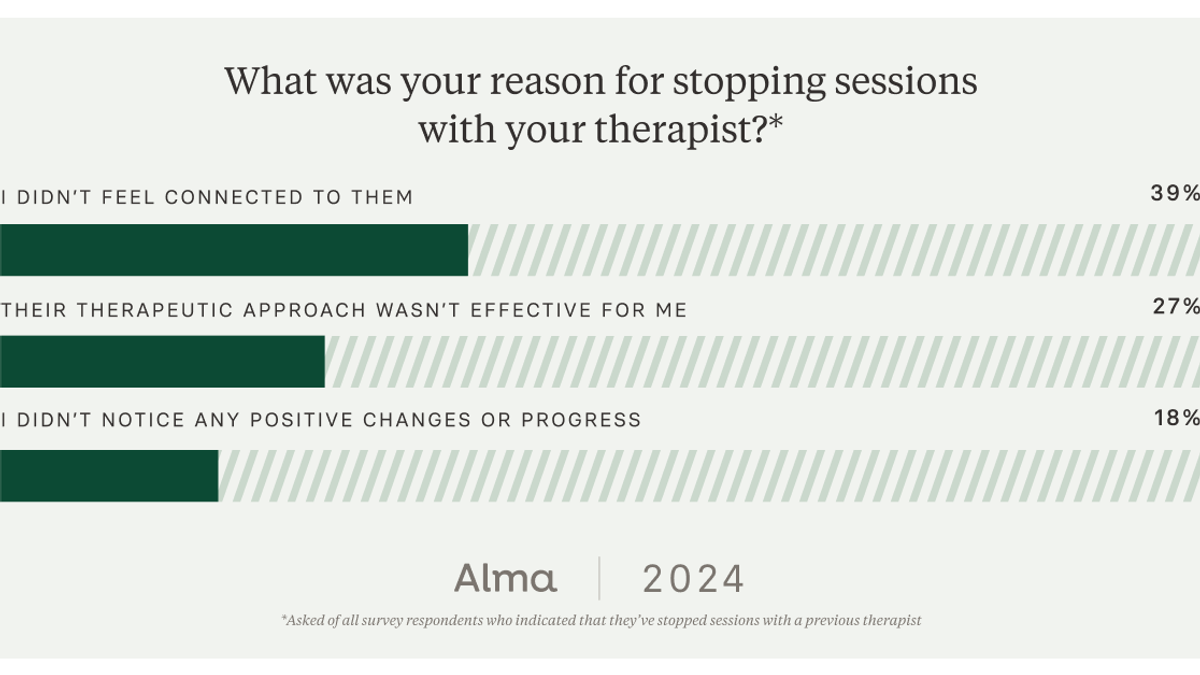
No matter of the length of treatment, we highly advise that the final session be planned, to ensure that the therapist and individual can summarize the job that has actually been done in treatment and state "good-bye." This resolution is connected with far better long-lasting end result for the person than a sudden discontinuation. People might pick to have "booster sessions" after routine treatment sessions have ended.
The patient can require a follow-up session a number of months or a year after weekly sessions have ended. These booster sessions act as a type of "tune-up" to help individuals remain on track and remain to utilize the abilities they have learned in treatment, hence maximizing their long-lasting gain from therapy.
All informed, on average, the person invests regarding an hour at the Center for Cognitive Therapy each time they come for a session. Depending on the timetables of the person and therapist, sessions can be held on the exact same day and time each week, or the session times might vary.
Developing Stable Self-Esteem While Releasing Status
On the other hand, if a patient really feels that it is time to lessen the sessions, he or she may select to set up sessions every various other week. Furthermore, some clients choose to fulfill less frequently for economic factors. The Facility for Cognitive Treatment permits this setup so patients can receive therapy without undue economic tension.
The goal of the intake evaluation is to collect details to provide to the specialist in an effective means. The interview is performed by a clinician-in-training, that is supervised by a qualified medical professional. People must anticipate to invest between a couple of hours in the meeting, with at the very least one break.
Decisions can be made for clients individually. Does this person call for customized interest for such problems as suicidality or material abuse? The individual can ask a senior medical professional any questions he or she could have, and can determine if the Facility for Cognitive Therapy is a good fit for him or her.
It's Your Right To Have Freedom for Better Mental Health
The supervisor, Cory F. Newman, PhD, combined with the elderly medical professional that consults with the person during the intake evaluation, makes a decision which Center for Cognitive Therapy therapist will certainly deal with which individual. This decision is based partially on client request (to see a female specialist, for instance, or a specialist who concentrates on a specific location).
The therapists at the Facility for Cognitive Therapy are well educated across a number of locations, and therefore are able to see a variety of clients. Each therapist concentrates on developing a feeling of mutual approval, respect, and teamwork with their people. Our therapists agree to deal with any type of problems that might create discomfort in the therapeutic relationship.
Newman is readily available to review this matter, though it is our policy to need the patient and specialist to have at least one session to try to settle the difficulty before transfers are made. The most essential, favorable modifications that you will certainly make in your life will certainly occur in your everyday experiences beyond your specialist's workplace.
Expert Codependency Therapy Methods
These tasks will reveal you how to use the ideas and skills you have actually learned in therapy between sessions. This procedure will allow you to become your own specialist when your job with your cognitive specialist is complete.
Research might assist your development in treatment if you offer it a try. It is your therapist's responsibility to develop a setting in which you will really feel complimentary to discover and find out and in which you will not have to stress regarding being evaluated.

Several people at the Facility for Cognitive Therapy get on medications, such as antidepressants, mood stabilizers, etc. Actually, some research study recommends that a mix of cognitive therapy and the proper medicines can be very valuable. If you desire to start drugs together with cognitive treatment, we can assist arrange a clinical evaluation at the Outpatient Facility of the Division of Psychiatry.
If you and your therapist think it is called for, you can review the loved one values and disadvantages of including medicine to the treatment strategy. In many cases, we might need that a patient be well maintained on medicine prior to we start treatment. We do not currently use pairs counseling or household treatment.
Recovery from Relationship Dependency
Although a lot of our clients more than the age of 18, the Center periodically treats older teenagers on a case-by-case basis. All celebrations settle on what info will be shared with the parent(s) and what information will certainly be personal. Frequently, nonetheless, we will certainly make a reference to a specialist who focuses on dealing with kids or teenagers.
If you are phoning call to attempt to prepare a program of therapy for somebody over the age of 18, we will certainly enjoy to pay attention to your concerns, yet you will certainly not have the ability to make a visit for anybody aside from on your own. The person himself or herself should contact us to be scheduled for a visit.

Latest Posts
EMDR Session Structure
Nervousness Doesn't Have To Control Your Reality
Worry Relief with Proven Success